
A design system is not just a Figma file with a comprehensive set of tokens and components. Let’s be blunt: if you view your design system merely as a static artifact or a library of “pretty buttons,” you’ve missed the strategic forest for the digital trees. It is, in fact, a scalable design and engineering philosophy—the single most powerful mechanism your organization has for fostering a mature design discipline, ensuring product consistency, and driving true cross-functional collaboration at scale. The physical outputs are just the evidence of a fundamental shift in how you build products.
The New Mandate for UX Leadership
The role of a senior UX leader has profoundly evolved. A quick scan of top-tier job descriptions from companies like Google, Meta, and Shopify reveals a clear theme: the expectation has moved far beyond individual craft excellence. Modern design leaders are now fundamentally systems thinkers and organizational designers.
They are tasked with building and scaling systems that influence operations and culture—not just pixels. The new mandate involves being the “glue” that connects design strategy to business outcomes, championing alignment across Product and Engineering, and ensuring that accessibility at scale and ethical design are integrated from the foundation up. A design leader’s success is now measured by their ability to amplify their team’s impact through operational efficiency, shared understanding, and a clear vision for long-term product consistency. The design system is the tool for executing this vision.
Beyond the Artifact: Design Systems as a Cultural Engine
When successfully implemented, a design system moves beyond its function as a shared codebase and library. It becomes the common language that dictates how the entire organization builds, communicates, and ultimately, collaborates.
- Bridging the Gap between Design and Development: A living, well-maintained design system is the definitive source of truth, eliminating the friction and guesswork that plague hand-off processes. It shifts the conversation from “how should this button look?” to “what problem does this component solve?”—unifying the technical implementation (tech debt reduction) with the user experience.
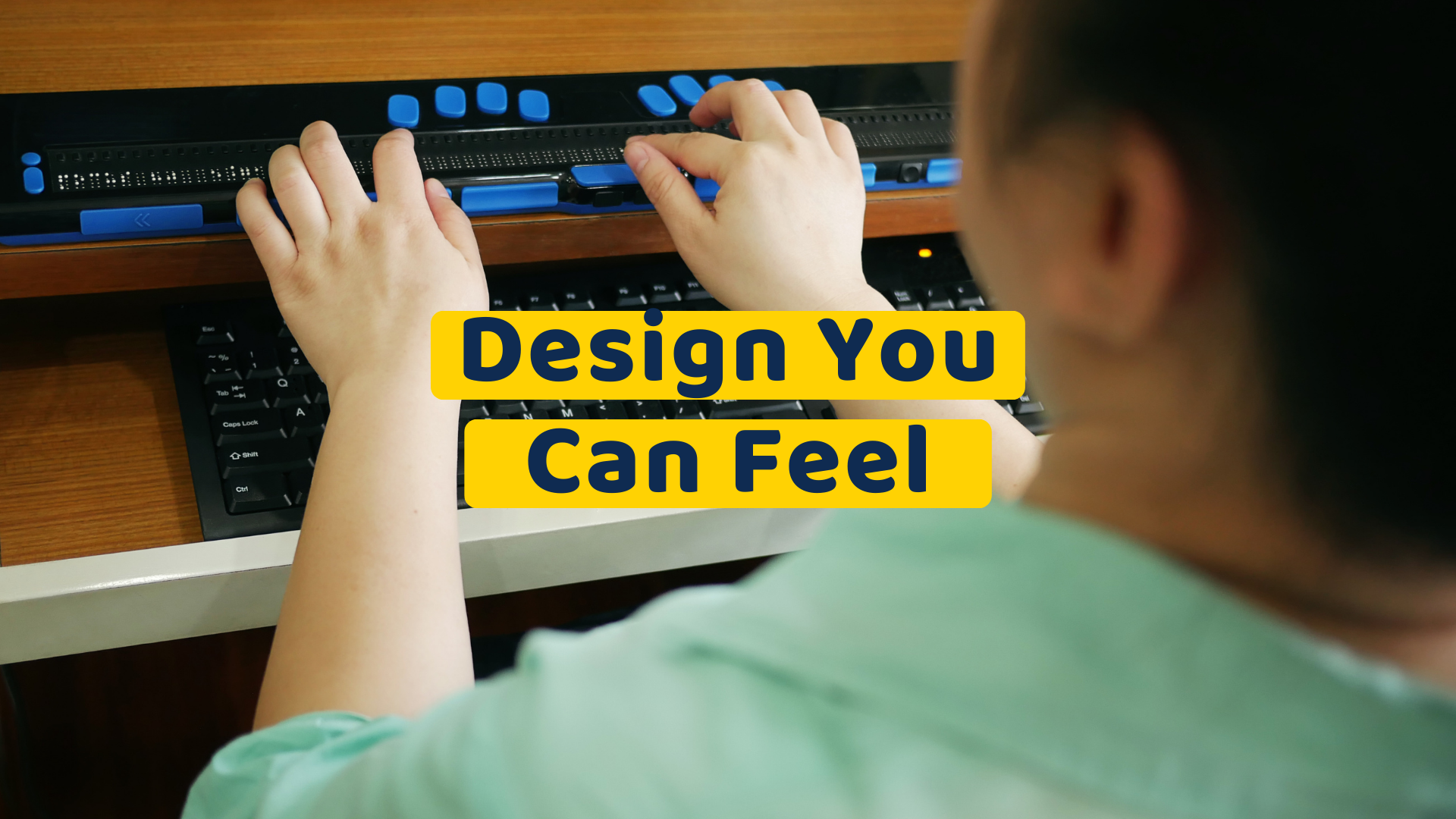
- Embedding Accessibility as a Default, Not an Afterthought: True design maturity means that accessibility is non-negotiable. A design system is the ideal place to embed this standard, ensuring that every component, color, and interaction is WCAG-compliant by default. This shifts the burden from individual designers and developers to the system itself, making an inclusive product the path of least resistance.
- Improving Onboarding and Collaboration: For new team members—be they designers, engineers, or product managers—the design system is the ultimate onboarding document. It provides a complete map of the product’s DNA, accelerating time-to-value and providing a stable foundation for growth and contribution across all roles.
Shaping Rituals and Mindsets
The act of building a system is an opportunity to codify the best of your team’s practices and principles. This is where the cultural transformation really takes hold.
When developing a design system, you are forced to make and document critical choices around naming conventions, component architecture, and the necessary documentation practices. This inherently forces discipline, sparks conversations around shared standards, and shapes key team rituals, such as dedicated design critique sessions focused on system health and component integrity rather than surface-level aesthetics.
This process transforms the very notion of quality assurance. Instead of catching inconsistencies late in the process, the system champions a proactive, shared sense of ownership over the entire user experience.
A Fictional Shift: From Tool to Mindset
In one organization, a product manager (PM) had a habit of requesting “just a slightly bigger button” for a key CTA every time a major sales campaign launched. Before the design system, this meant a one-off component modification, a quick hack in code, and another piece of tech debt. After the system matured, the PM made the same request. The lead engineer simply pointed to the system’s documentation on “Primary CTA Sizing and States” and asked, “Which system variable are you proposing we change, and how will that affect the other 47 instances of this component across our products?” The conversation immediately shifted from a visual preference to a discussion about global consistency, data-driven decisions, and the long-term cost of inconsistency. The design system had changed their entire approach to decision-making.
A Forward-Looking Reflection for UX Leadership
The investment in a comprehensive design system is an investment in your company’s future, its users, and its long-term product health. It is the most strategic initiative an organization can undertake to mature its practices and demonstrate true UX leadership.
By investing in a robust, accessible, and well-governed system, you are not just eliminating visual inconsistencies; you are building the connective tissue for a more efficient, inclusive, and collaborative organization. You are driving better user experiences, setting the bar for inclusive practices, and fortifying your product for years of scalable design and iteration. The artifacts themselves are fleeting, but the disciplined, system-driven culture they create is what endures.
Further Reading
The Business Value of Design – McKinsey: For context on design maturity and financial returns.
Atomic Design – Brad Frost: The foundational text on component-based thinking.
Design Systems, Documentation, and Accessibility – UX Collective