Accessibility Hub · AI-Ready Design System · Governance
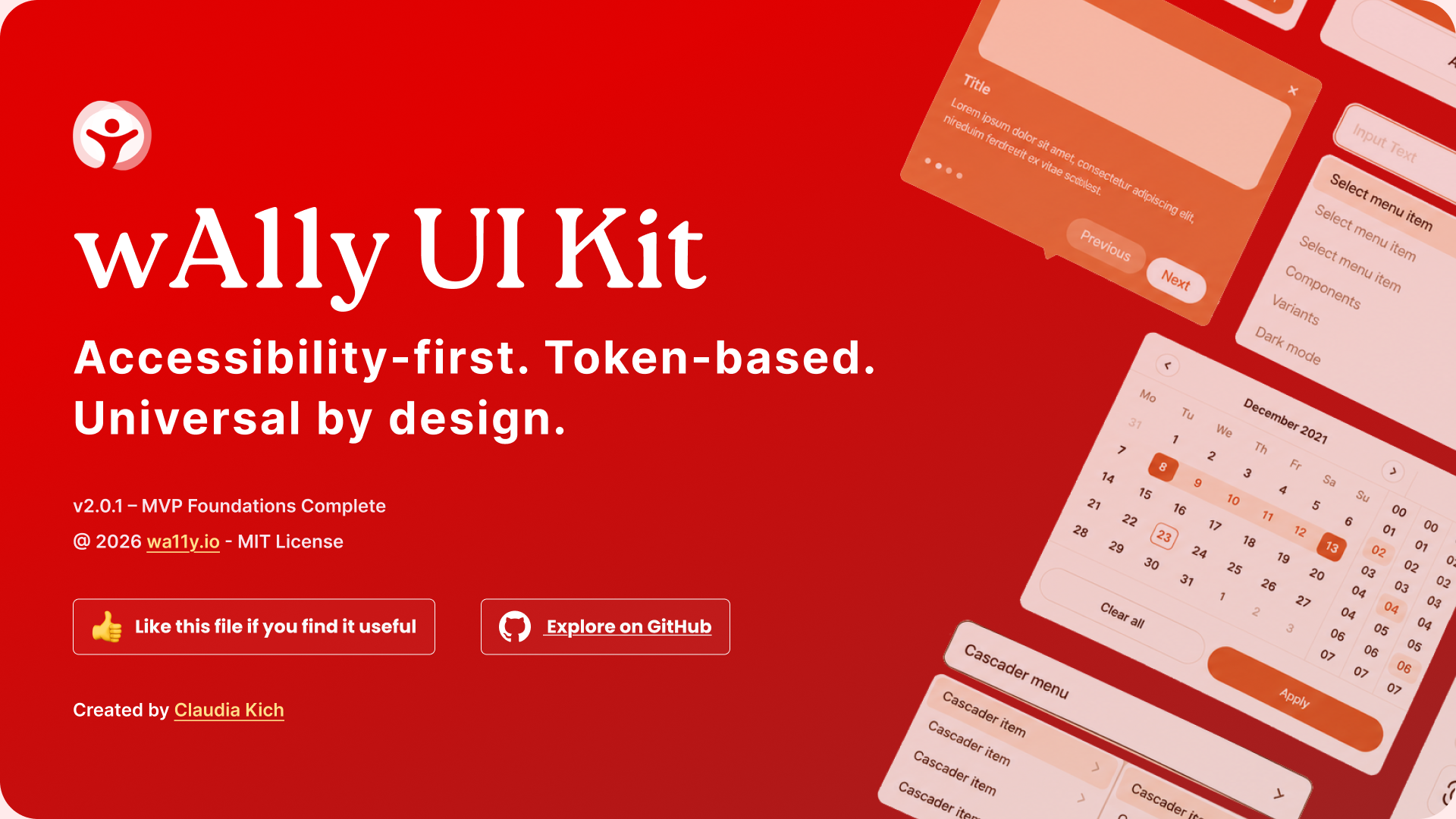
wA11y is an accessibility-first ecosystem designed to make inclusive design easier to understand, implement, and scale.
What began as an AI-powered accessibility learning platform has evolved into an integrated framework connecting practical guidance, reusable design foundations, and AI-assisted development.
The goal is simple: make accessibility part of how digital products are designed and built—not something checked at the end.
Founder Product Designer Design Systems Lead AI Workflow & Prompt Design Front-End Prototyping
Timeline
2026 — MVP / Case Study Prototype
Tools
Figma
Claude
GitHub
Visual Studio
Photoshop
The Challenge
Accessibility is still treated as an afterthought.
Teams often know accessibility matters, but struggle to apply it consistently. Fragmented guidance, unclear ownership, and repeated design decisions lead to issues being discovered late—when they’re harder to resolve.
Fragmented guidance
Unclear ownership
Repeated work
The Opportunity
Shift accessibility left.
I saw an opportunity to connect accessibility knowledge directly to the tools, components, and workflows that product teams already use.
Instead of creating another collection of guidelines, I wanted to build an ecosystem that helps teams make better decisions when they matter most.
The vision was to bring together three essential elements:
Practical guidance that makes accessibility requirements easier to understand.
Reusable foundations that help teams implement accessible patterns consistently.
Governance and validation that support accessibility throughout the product lifecycle.
The result is wA11y: an evolving framework designed to turn accessibility knowledge into everyday practice.
Three pillars. One ecosystem.
wA11y brings together the guidance, technology, and practices needed to make accessibility a shared responsibility.
Accessibility Hub
Practical guidance and role-based resources.
Design System
Reusable foundations and AI-ready components.
Practice & Adoption
Governance and team workflows (in development).
Guidance people can actually use.
The Accessibility Hub translates accessibility requirements into practical recommendations for designers, developers, and product teams—with role-based resources, actionable checklists, and guidance for everyday decisions.
Designers
Developers
Product teams
The AI-Ready Design System
A central part of wA11y’s evolution was creating a design system that could support both traditional development and AI-assisted workflows.
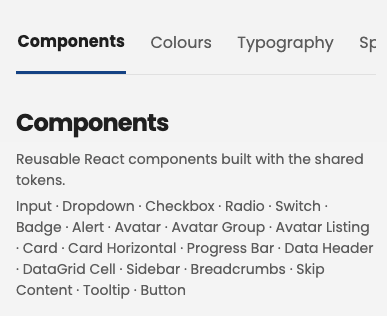
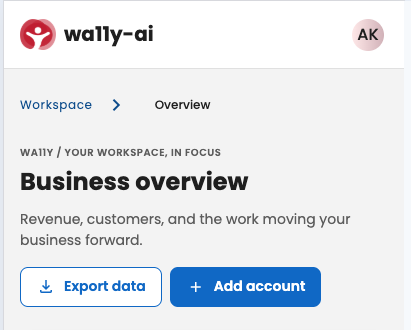
I built wa11y-ai around reusable React components, semantic design tokens, typed APIs, and documented interaction patterns.
The objective is not to have AI generate more interface code. It’s to help AI-assisted development reuse established design decisions instead of recreating them.
The system includes:
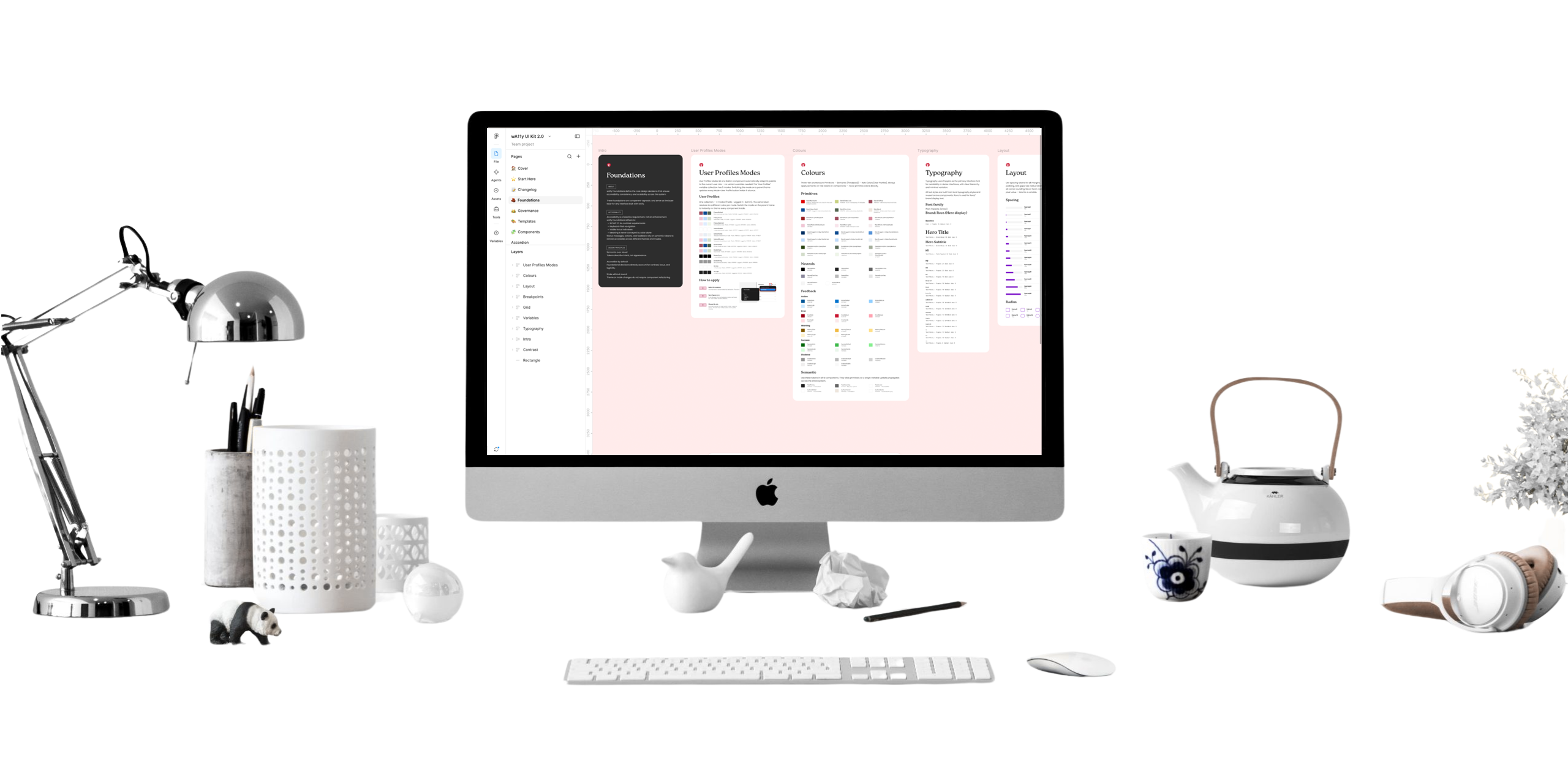
Design foundations: Colour, typography, spacing, radius, and visual effects.
Reusable components: Buttons, forms, feedback, navigation, cards, tables, and other interface elements.
Semantic tokens: Shared design decisions that support consistency across components and user profile modes.
AI-ready documentation: Instructions that help coding assistants discover existing components, inspect their APIs, and avoid inventing unsupported properties.
Interactive playground: A space to explore components, variants, tokens, and behaviour.
Designing for AI-Assisted Development
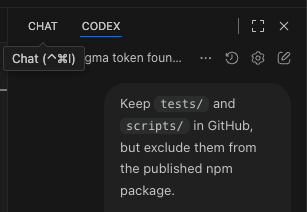
AI coding assistants can generate interfaces quickly, but they don’t automatically know which components, tokens, or patterns to use. I created integration guidance that directs them to the existing design system, its typed APIs, and documented accessibility behaviour.
AI prompt
Existing components
Generated interface
Accessible components are only the beginning.
Accessibility depends on how components are combined, labelled, and used. The system targets WCAG 2.2 AA and incorporates automated checks, keyboard and focus testing, responsive behaviour, and documentation of known limitations.
Keyboard
Contrast
Focus
Validation
Accessibility that is operational, not optional.
wA11y reflects my belief that accessibility should be built into the foundations of digital products. By connecting guidance, reusable design decisions, and AI-assisted workflows, I’m exploring how teams can make inclusive design more consistent and sustainable.