
Hello, Microsoft Team! 👋
I am Claudia Kich,
a Senior UX/UI Developer
and I work at the intersection of strategy, execution, and enablement.

Work Journey

20+ years designing systems that scale across government, banking and global organizations.

Based in Vancouver, BC, Canada. Experience across Brazil, Australia, Europe and North America.

Bank of Brazil

2003 – 2006 🇧🇷

Bank of Brazil

Web Designer
90,000 employess - 100M downloads on Google Play

Australia

2009 – 2010 🇦🇺

Australia

Web Dev Coordinator
Created a variety of websites as a freelancer and worked at Local Government of New South Wales.

Brazil’s General Attorney Agency

2010 🇧🇷

Brazil's General Attorney Agency

Senior Designer
Worked on their portal agu.gov.br redesign needs.

Sectorial Dialogues EU-Brazil

2011 – 2013 🇧🇷🇵🇹

Sectorial Dialogues EU-Brazil

Senior Designer Consultant
Created visual guidelines for the internal system, designed and coded sectordialogues.org portal (0→1).

Brazil's Justice Palace

2013 – 2014 🇧🇷

Brazil's Justice Palace

Senior Designer
Implemented, tested and improved the new visual guide for all Brazil's Federal Institutions (0→1).

Brazil's Health Regulatory Agency

2014 🇧🇷 🇺🇸

Pan American Health Organization (2x)

Senior Web Designer
Created a hot site for Patient Safety and improved services for health professionals (0→1).

Bank of Brazil

2015 – 2016 🇧🇷

Bank of Brazil (2x)

Senior Designer
Worked on the redesign of their intranet, internet and mobile app team.

World Meteorological Organization

2016 – 2018 🇨🇭🇧🇷

World Meteorological Organization

Senior UX Designer
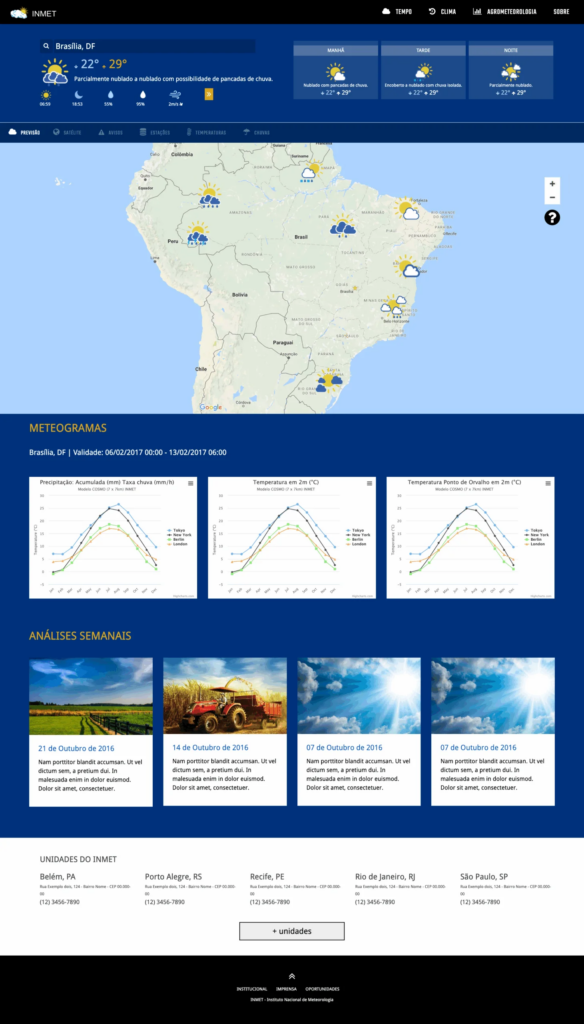
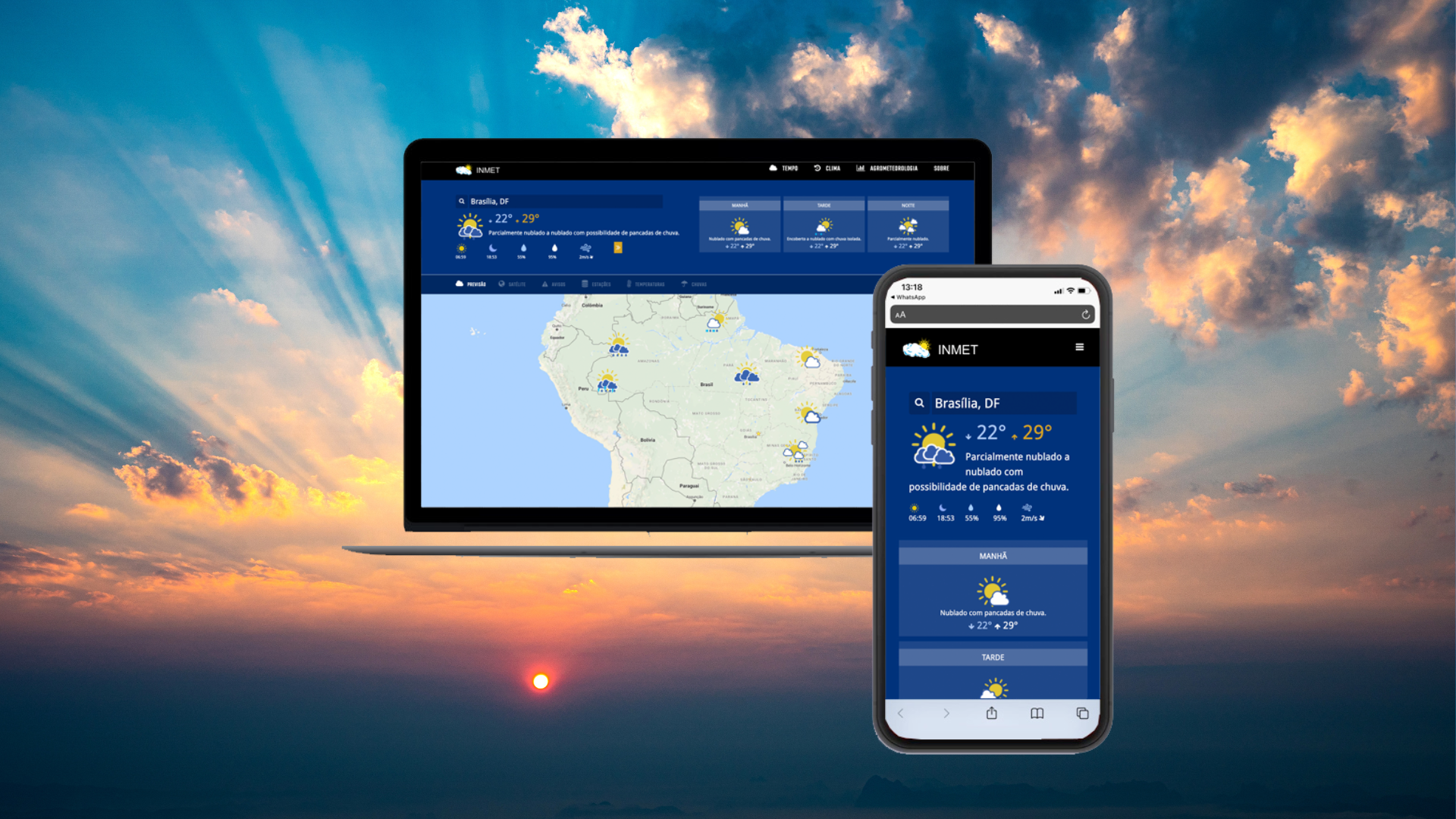
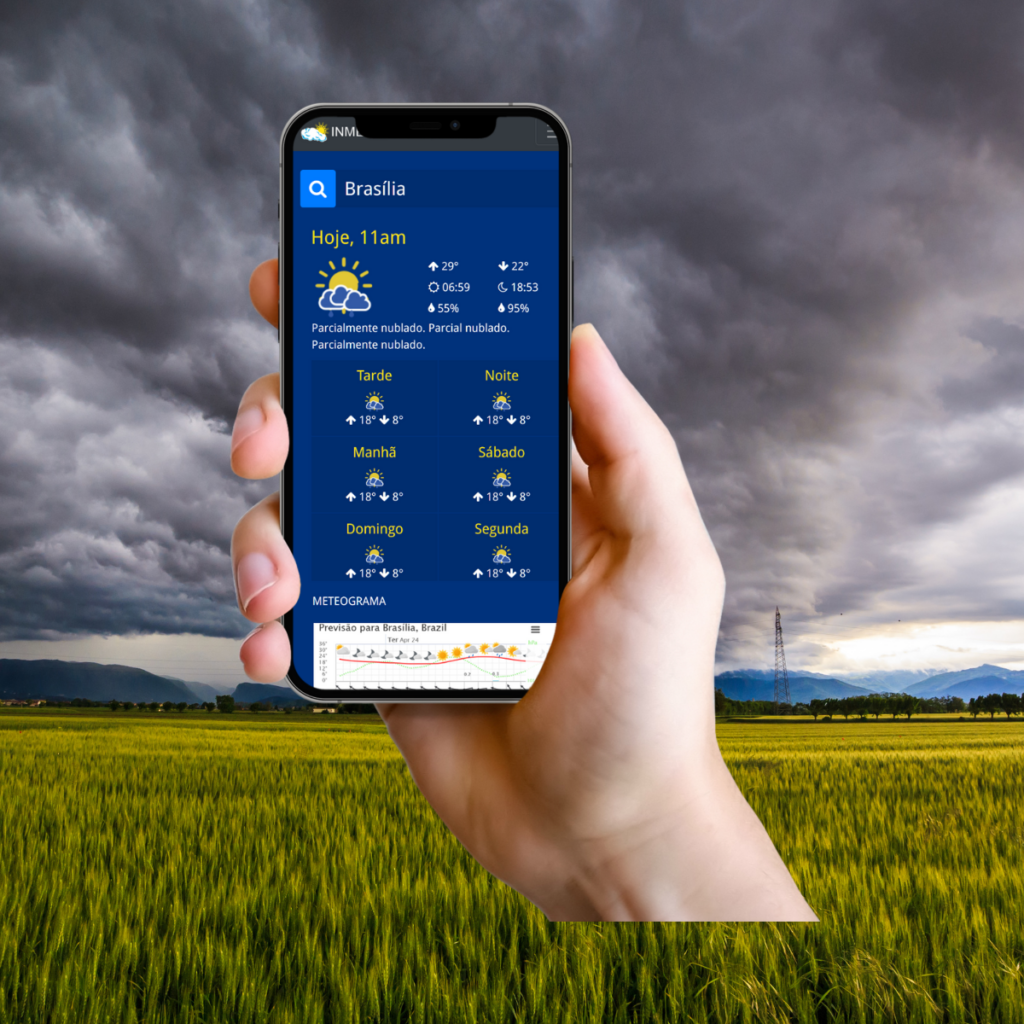
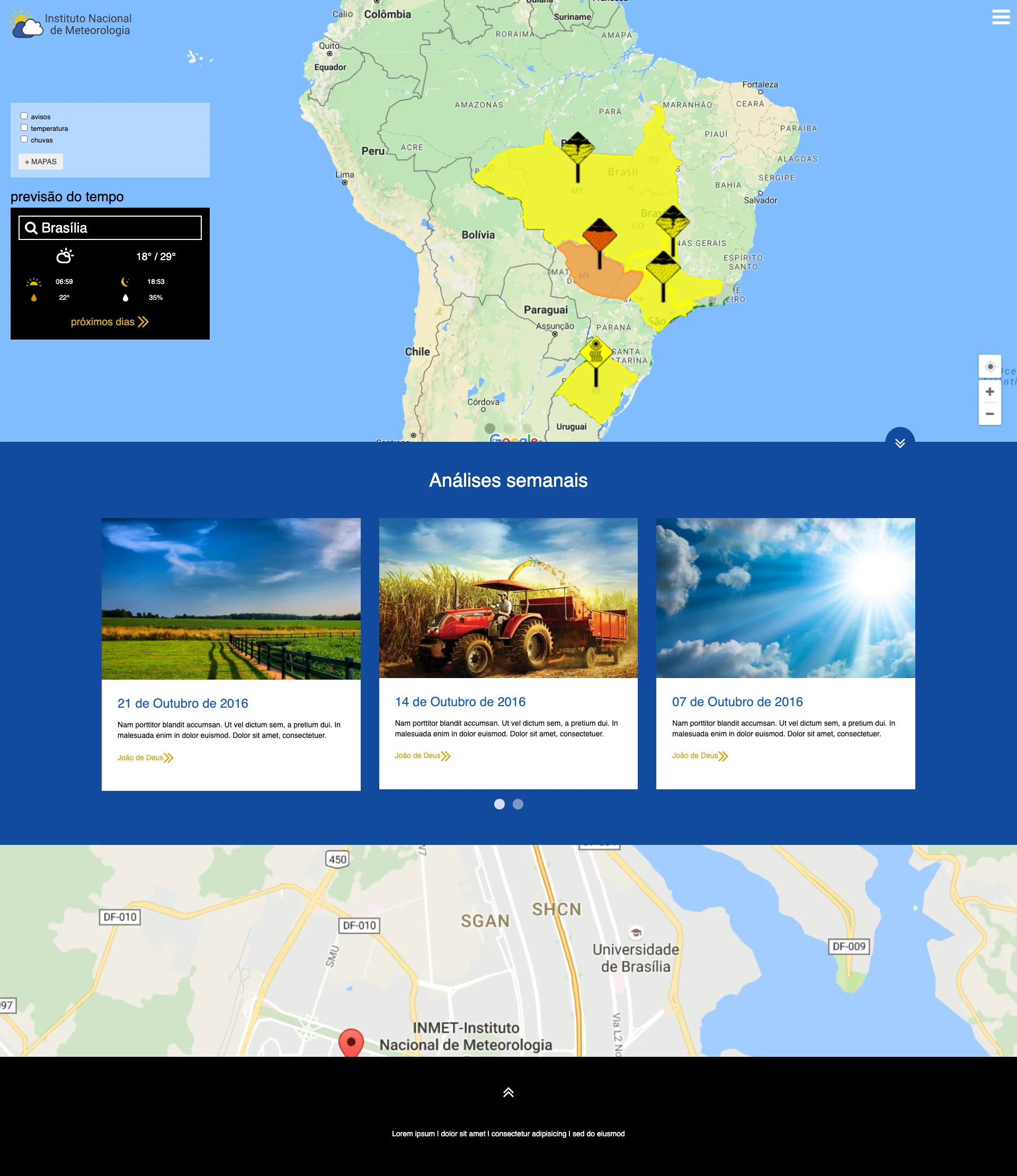
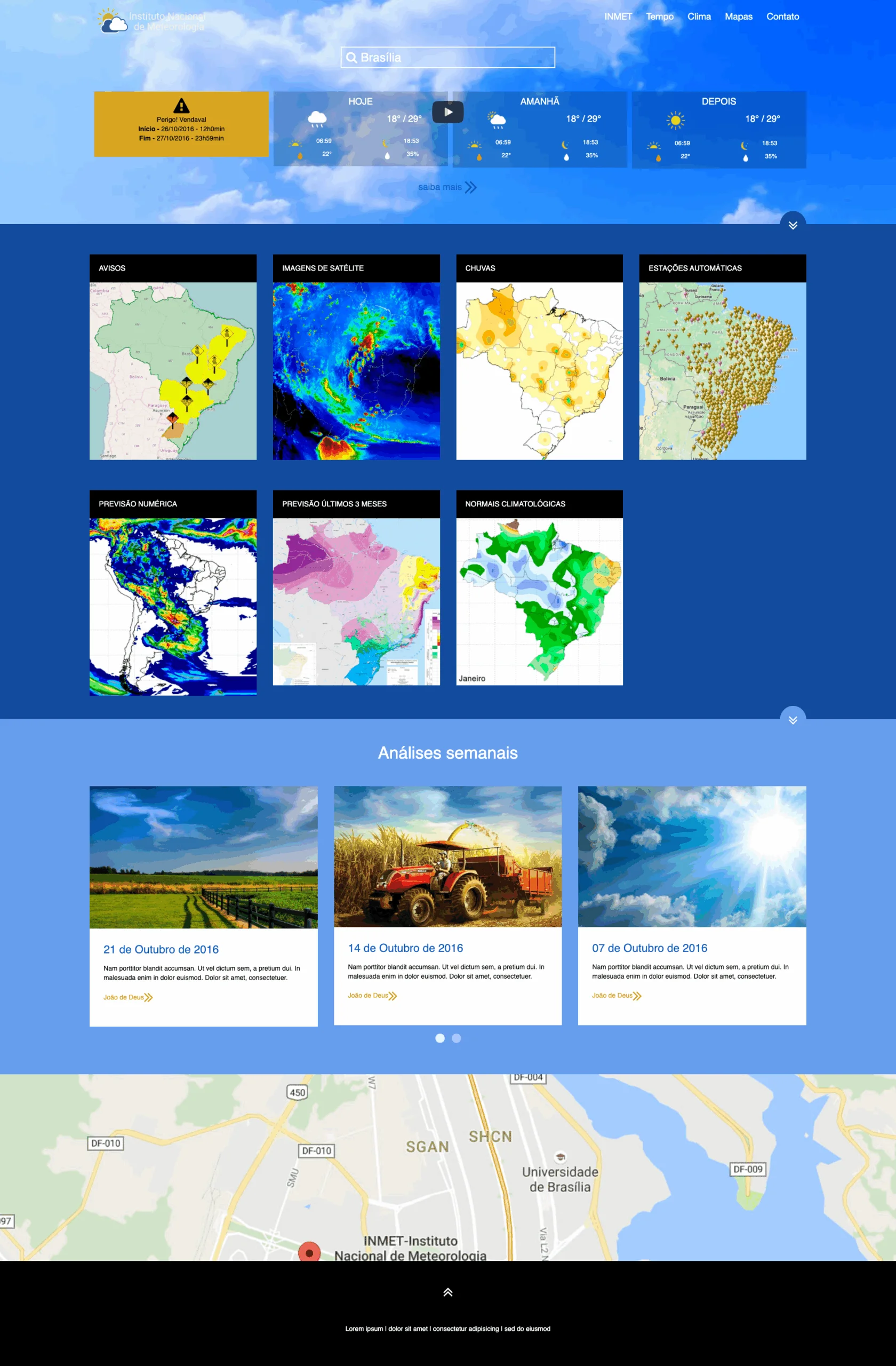
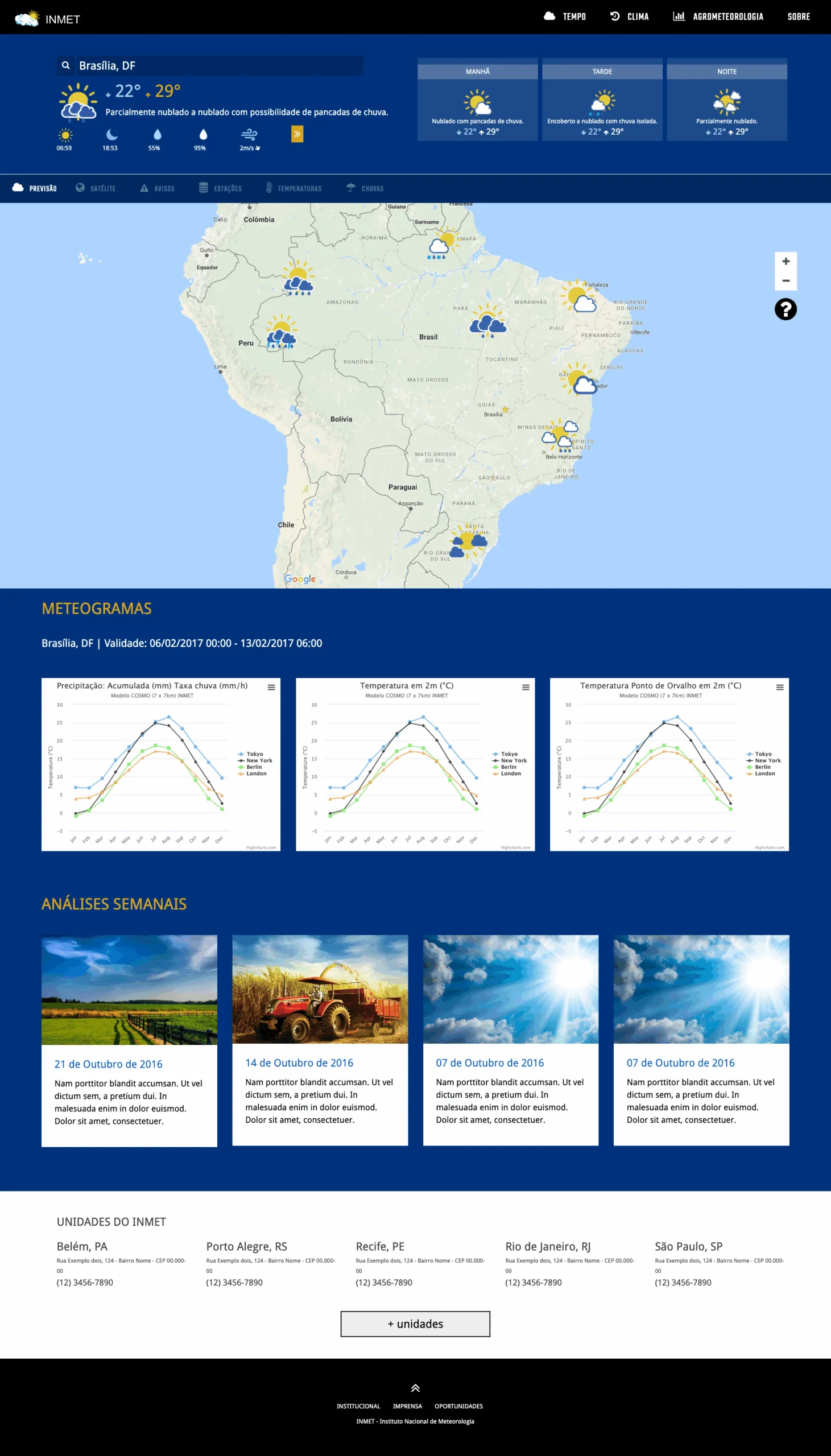
Modernized Brazil’s Meteorological Institute portal, unified four monitoring systems, redesigned intranet and email tool.

Canada – Brazen Bull & HSBC

2018 – 2021 🇨🇦

Senior Designer
Worked 2.5 years at Brazen Bull (responsive websites & design artifacts). Contractor for HSBC.

YPO USA

2022 – 2025 🇺🇸

YPO.org

Senior UX/UI Designer
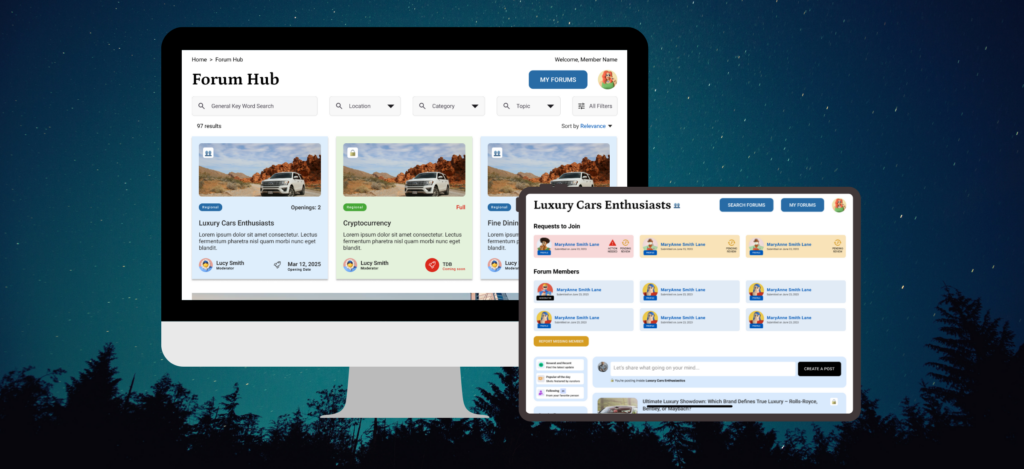
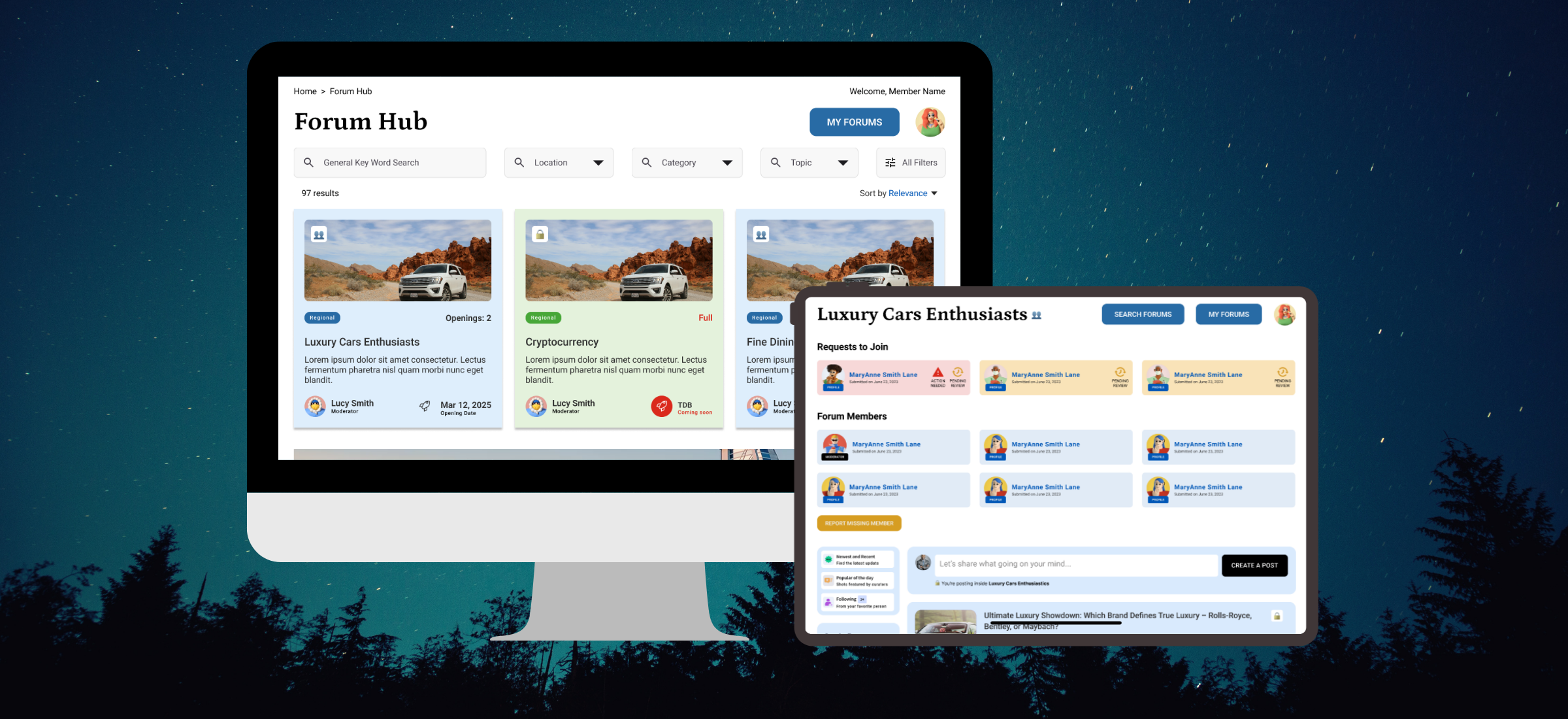
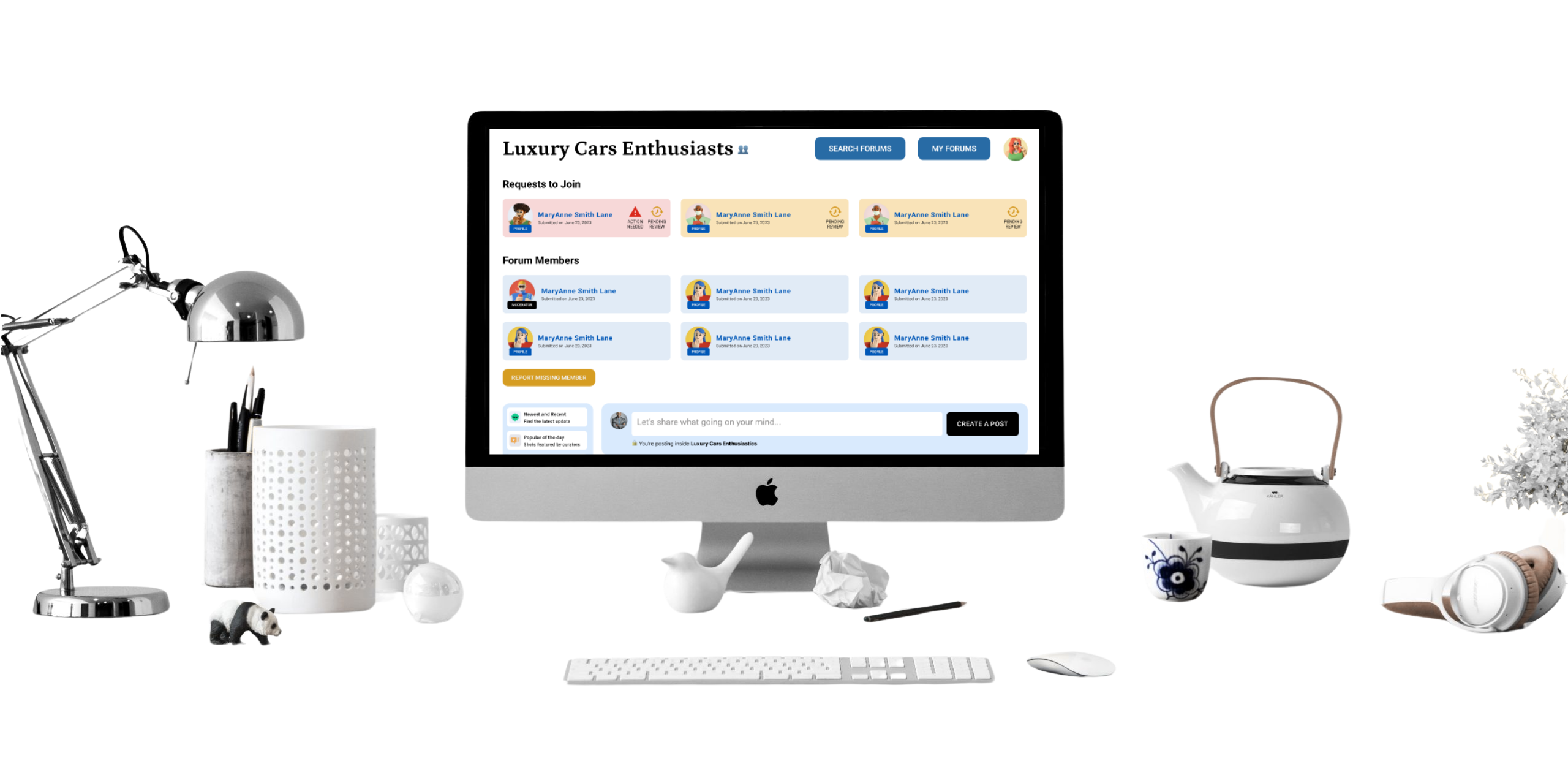
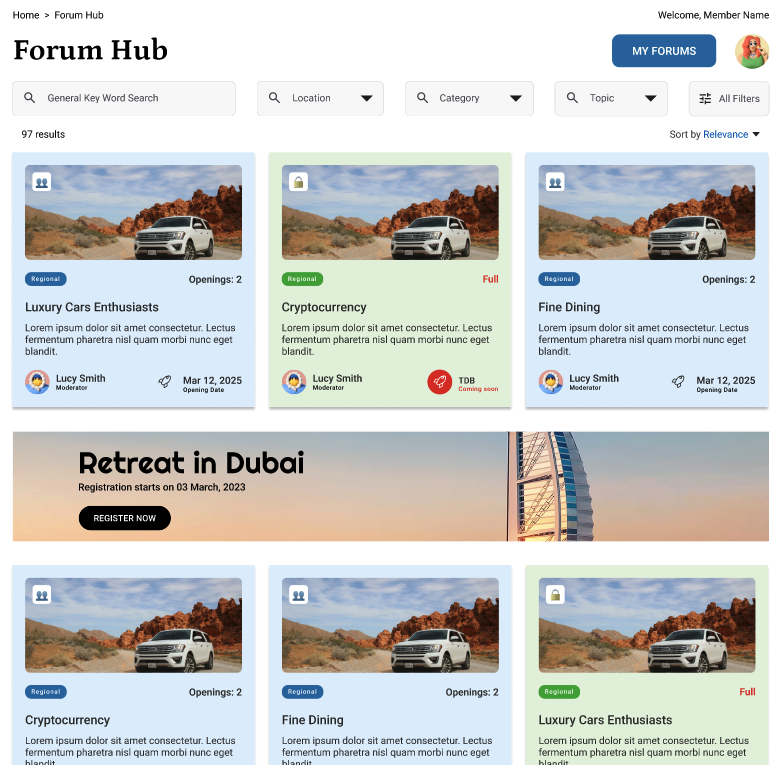
Designed Forum Hub, Advanced Member Search, Member Profile, Communities Portal. Leading Design System initiative across 9 platforms (0 → 1).

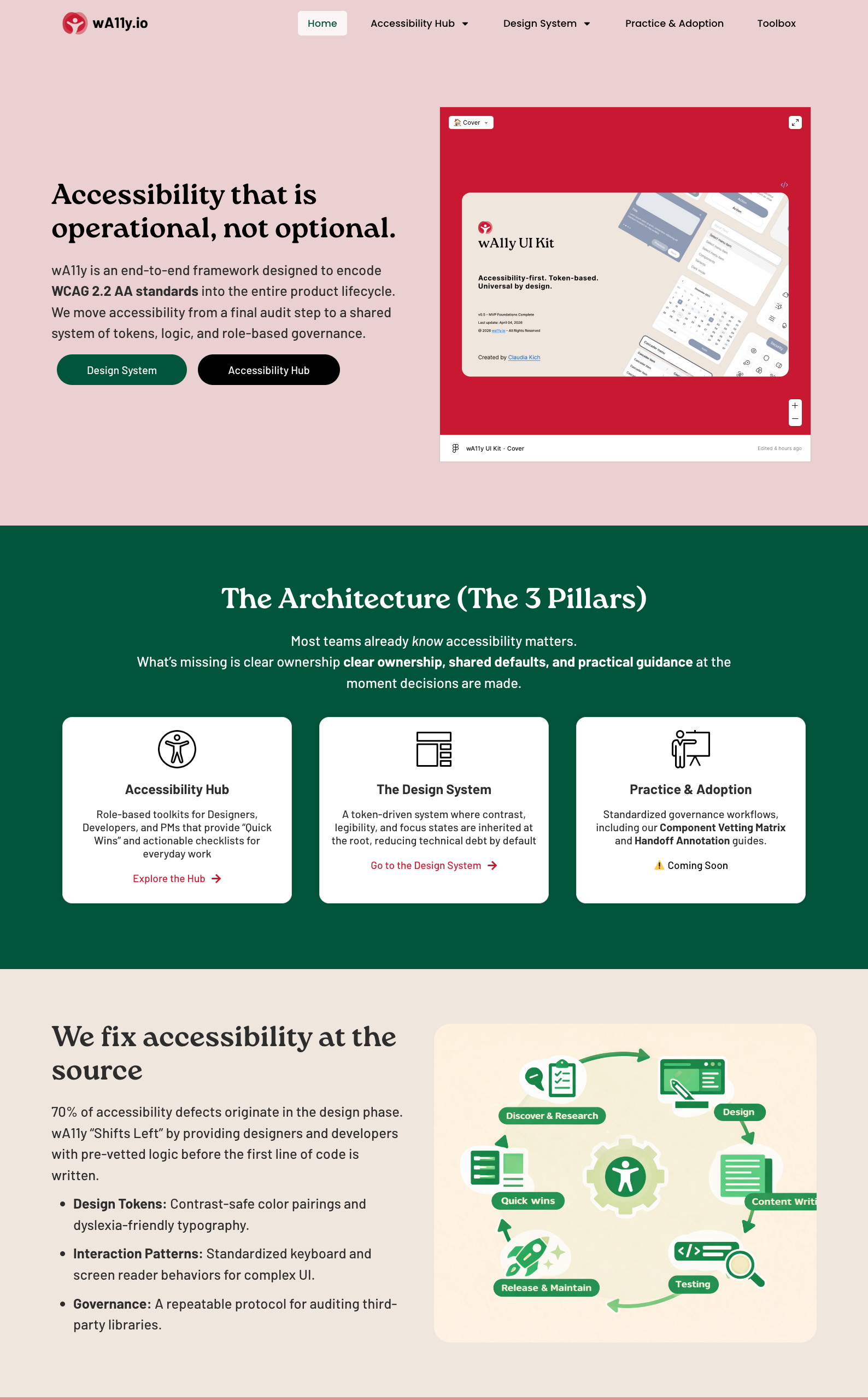
wA11y: Experimenting Like a Startup

While building wA11y, an accessibility-focused knowledge hub, I explored how design systems, practices, and tooling can help teams adopt accessible patterns consistently across products.

AI Prototyping

Using AI to scaffold content, IA, and early-stage prototypes
AI Tools

Testing different tools and workflows to understand what actually added value

Moving Quickly

Validating ideas quickly before committing engineering effort

Pivoting

Pivoting direction when assumptions proved wrong

Forum Hub portrait preview

1

Case Study

YPO Forum Hub

The challenge wasn’t data — it was human trust, privacy, and engagement at global scale.

2

Case Study

Brazil’s National Weather Institute

Balancing scientific complexity with public clarity — designing an accessible, mobile-first platform for millions of people.

3

Q&A

YPO FORUM HUB

Redefining Connection for Global Leaders

YPO serves 34,000+ CEOs across 140+ countries as the world’s premier chief executive network, connecting leaders through peer learning and confidential Forums.

Role

Senior UX/UI Designer

Timeline

6 Months
2023

Team

4 developers, 2 PMs, 2 POs and multiple stakeholders

Outcome

A complete redesign evolved into a 0→1 transformation, establishing the foundational platform and design system that now powers 9 YPO products.

2x

more active users

<2s

load time

<10 min

Forum creation time

Monitor

The starting point

Legacy architecture

Salesforce foundation; heavy, slow, desktop‑first

Fragmented Communication

Members juggled WhatsApp, Slack, and email.

Dismal engagement

<20% of members engaged monthly

Trust Deficit

No mobile responsiveness or accessibility. Unclear privacy boundaries.

Forum Hub portrait preview

Problem Statement

How might we rebuild trust and re-engage global members?

The Core Problem

Members didn’t trust the platform for private sharing;

Platform felt outdated, impersonal, and disconnected from how they naturally communicate.

Constraints

  • Rigid Salesforce limits; tight timeline & limited engineering;
  • Global privacy compliance; data sovereignty;
  • WCAG 2.1 AA across devices, bandwidths, and languages;
  • Alignment across teams and roadmaps.

Research methods & key findings

Root issues centered on trust, discoverability, and friction – not feature gaps. Members needed confidence and clarity before content.

My Approach

In-Depth Interviews:
12 members across 5 regions

Analytics Deep Dive:
Behavioral patterns and drop-off analysis

Internal insights from Product Management
PM input revealed that members were relying on external tools like WhatsApp, Slack, and email.

Critical insights

80% drop‑off rate after login/first post: members could not find value fast enough.

<20%

active members

72%

preferred messaging

64%

avoided posting sensitive content

Understanding Customer Needs

Mobile-First Access

Seamless experience on any device, anywhere

Cultural Inclusivity

Works across languages and contexts

Intuitive Navigation

Find what you need without thinking

Clear Privacy Boundaries

Always know who sees what and why

Emotional Safety

Freedom to be vulnerable without fear

Speed & Performance

Fast, lightweight even on slow connections

At the center of every need was a fundamental desire: to feel truly heard and safely connected with peers who understand the unique challenges of leadership.

Strategic Reframe: From Tool to Trusted Network

We shifted our mental model from “forum tool” to “member marketplace.” This shift mirrors how AI-enabled platforms work today — discovery, trust, and clarity come before power.”

Browse & Filter

Product-like discovery patterns that feel familiar and intuitive

Smart Personalization

Recommendations without exposing private member context

Belonging, Not Clicks

Optimizing for time-to-meaningful-connection

Design Principles

Familiarity

Privacy

Clarity

Consistency
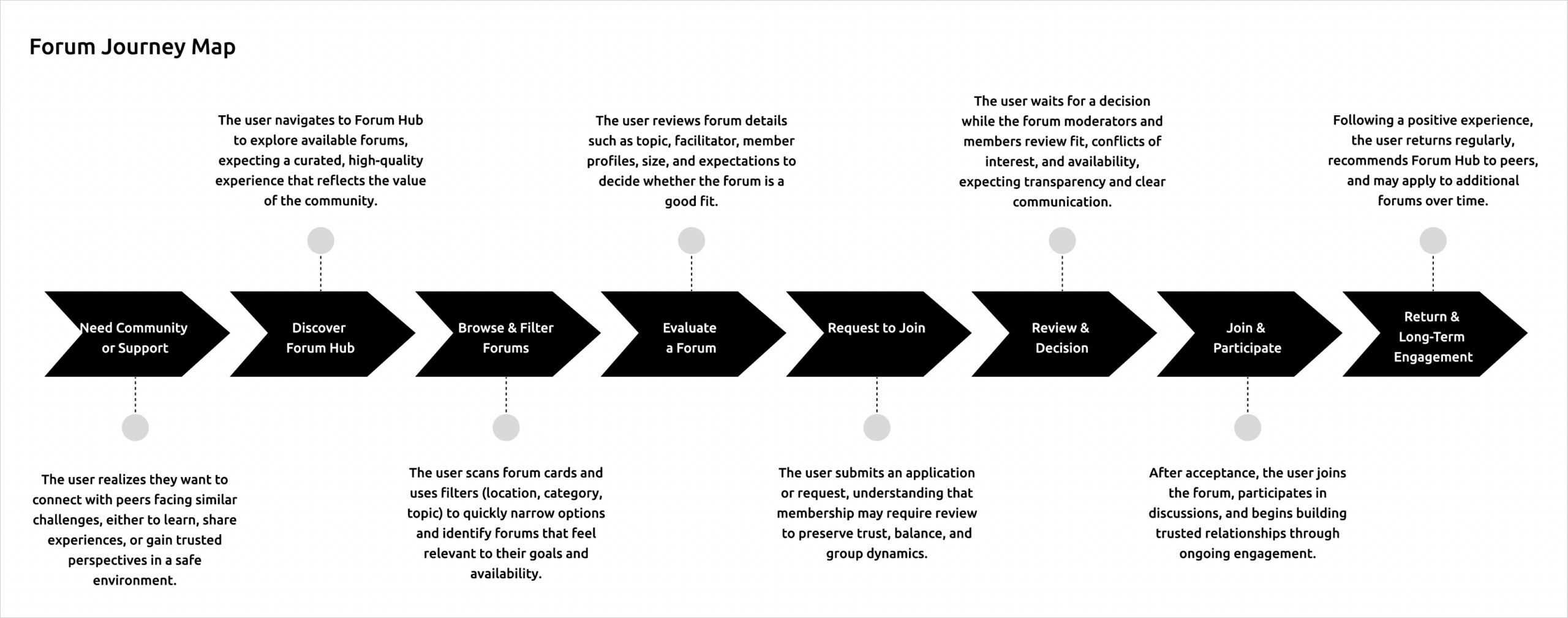
From Insight to Action

Research Insight Design Decision
Off-platform chat norms Simplified posting flow with fewer fields and messaging-like interactions.
Unclear privacy controls Added role badges, permission previews, and visible confidentiality indicators.
Hard to find relevant groups Created a discovery engine with filters, personalized recommendations, and clear eligibility.
Accessibility gaps Implemented keyboard navigation, screen-reader support, contrast compliance, and RTL layouts.

Shaping the Journey Together

Research Advocacy

Presented research findings to leadership, building the case that led to approval of the complete 0→1 pivot and platform migration.

Cross-Functional Partnership

Co-authored migration approach with Engineering, designing a phased rollout strategy that balanced risk with momentum.

Global Validation

Facilitated cross-region pilot reviews that refined trust indicators, interaction copy, and cultural considerations for diverse contexts.

Systems Thinking

Partnered on design system governance, establishing patterns and rituals now adopted across 9 product teams—scaling impact beyond Forum Hub.

Prototype

Forum Preview

Simulated prototype created for demonstration purposes due to NDA constraints. Figma file here.

Results

Key Outcomes

Strategic Wins

2x

Adoption Growth

In pilot programs

<2s

Load Time

Approx. 50% faster

<10 min

Join/Create Time

Reduced from days

9

Products Reusing

Design system impact

Lessons Learned

Early Reframe
Identifying fundamental shifts in strategy at the outset prevented extensive rework and accelerated development.

Measurable Trust
Beyond sentiment, trust manifests in user actions and the specific language they employ, providing quantifiable feedback for design.

Migration as Design
Strategic platform transitions must be approached with a user-centered design lens, not solely as an engineering task, to ensure adoption and satisfaction.

Simplicity Endures
Prioritizing straightforward, maintainable solutions over complex, trend-driven features leads to long-term success and user confidence.

Brazil's National Weather Institute

Transforming Weather Access for Millions

Redesigning Brazil’s national meteorological platform to be clear, accessible, and intuitive for all—scientists, policymakers, and citizens alike.

4x

Increase in overall traffic after redesign

62%

Users accessing via mobile devices

95%

Accessibility compliance (WCAG/E-MAG)

Role

Designer Specialist
(Lead UX Designer)

Timeline

12 Months
2017 to 2018

Team

15+ collaborators, including designers, engineers, systems analysts, DBAs, climate scientists, and government stakeholders.

Monitor

The Core Problem

  • Scientific Bias: Built for experts; unreadable for citizens.

  • A11y & Mobile Fail: Zero optimization for users on phones.

  • Market Loss: Competitors won 60% more traffic using INMET’s own data.

  • Operational Deadlock: Legacy technical resistance + zero usage analytics.

<10%

Visitors returned

4+

Clicks needed to access forecast

60%

More traffic on competitors

Hypothesis

If we separate expert complexity from public clarity, we can serve both audiences without watering either down.

Discovery & Research

Workshops & Card Sorting

with leadership, citizens, local farmers and meteorologists to capture diverse needs.

User Journeys

mapped different use cases: daily forecasts, agrometeorological decision-making, aviation safety, and technical reporting.

Usability Testing

ran pre- and post-redesign sessions using INMET’s internal lab to validate improvements

Customer Service Feedback

leveraged support team insights to fill gaps, since the old portal had no analytics or usage tracking.

User Interview Takeaways

Too Technical

“There’s a lot of data here, but I don’t really understand what it means for me or what I should do with it.”

Not Mobile-Friendly

“I usually check the weather on my phone, and this is very difficult to read and navigate on a small screen.”

Hard to Find Key Info

“I just want today’s forecast, but I couldn't find it.”

Low Trust in the Experience

“I know this is official information, but the site feels outdated and confusing, so I end up using another app.”


Ana

Urban Commuter
(General Public)

Urban commuter, checks weather daily on mobile.

Needs 

Clear, simple forecasts; alerts; mobile-first access.

Goal

Make fast, confident day-to-day decisions.

Paulo

Soybean Farmer
(Agricultural User)

Mid-size farmer, uses SISDAGRO seasonally on desktop.

Needs 

Soil water balance, local trends, reliable models.

Goal

Reduce risk and optimize planting and irrigation.

Rachel

Operational Meteorologist (Technical User)

Meteorologist / researcher, daily desktop user.

Needs 

Full datasets, advanced charts, precision and stability.

Goal

Analyze and reuse authoritative climate data.

Constraints and Trade-offs

Political Conflict

Meteorologists wanted technical data front and center, while citizens needed quick forecasts. I used competitor benchmarks and real usage insights to shift leadership consensus toward a citizen-first homepage, while still preserving technical layers for experts.


Legacy Resistance

Longstanding teams were deeply attached to outdated systems. I built trust and negotiated compromises, introducing modern UX practices without alienating those maintaining the old infrastructure.

Technology Constraints

Drupal’s rigid structure limited design freedom. I learned the platform inside out to push its boundaries, delivering a mobile-ready, modern interface within technical limits.

Accessibility Trade-offs

Leadership resisted full compliance due to cost and time. I advocated for stepwise improvements, ensuring WCAG 2.0 + Brazil’s e-MAG minimum standards were approved and implemented.

The Internal Tension

Scientists

Prioritized raw data, high-density charts, and specialist tools.

Citizens

Required speed, simple forecasts, and mobile accessibility.

The Strategy: Progressive Disclosure

Evidence-Based Pivot

I used competitor benchmarks to prove that INMET’s public mission required a Citizen-First hierarchy.

The Strategy

Surface immediate clarity for the public, while providing “deep-dive” layers for specialists

Feature INMET (Before) Climatempo AccuWeather Weather.com
Official Data Source Yes No No No
Citizen-Friendly Forecast No Yes Yes Yes
Mobile-First Design No Yes Yes Yes
Localized for Brazil Yes Yes No No
Modern User Experience No Yes Yes Yes
Ads-Free Yes Yes Yes No

Prototypes

Scientists struggled to engage with low-fidelity wireframes, so I moved early to static HTML prototypes to make data, interactions, and scale tangible.

Key Features Delivered

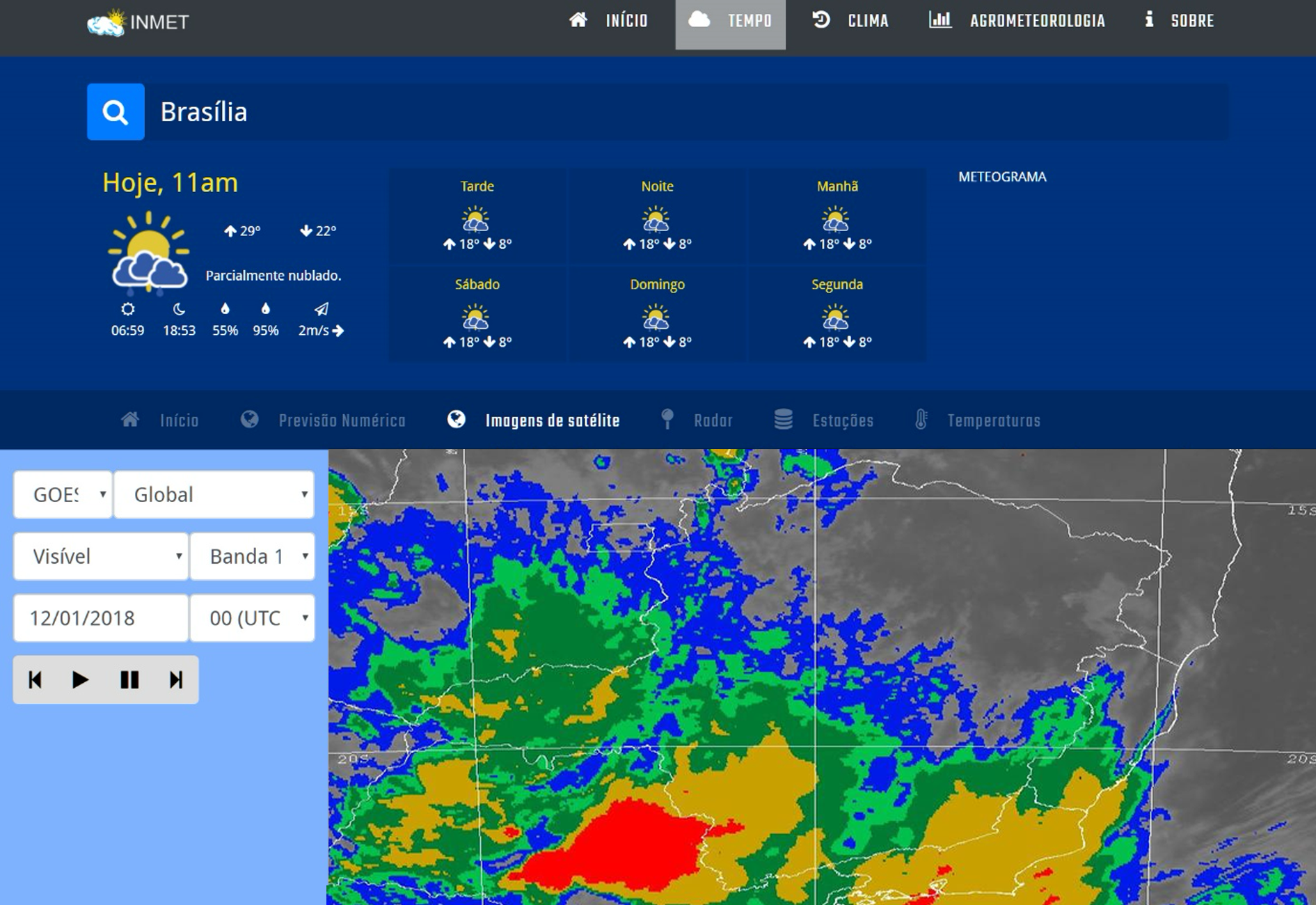
Satellite Images

transformed static pictures into interactive, georeferenced maps with with zoom and navigation.

CMS Automation

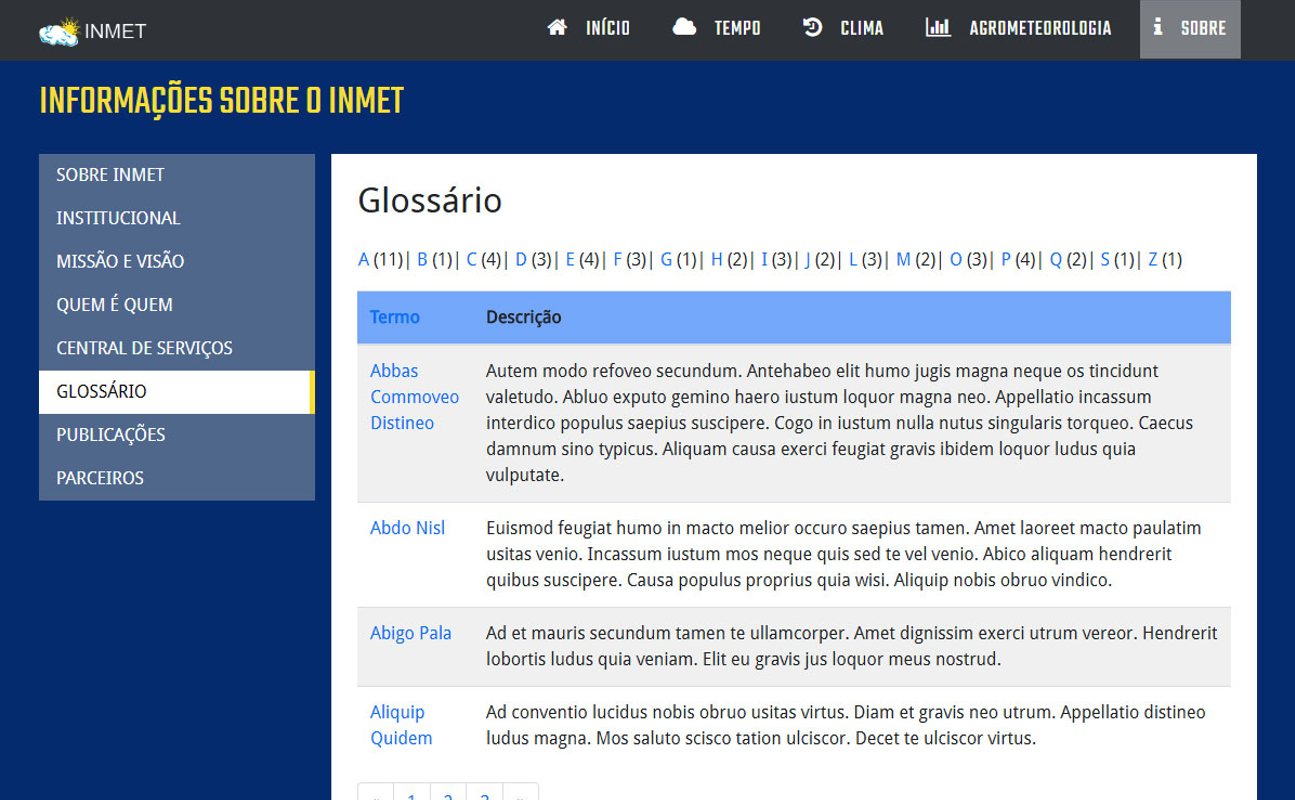
made articles, glossary, and publications dynamic and editable, so staff could publish without coding.

Mobile-First Portal

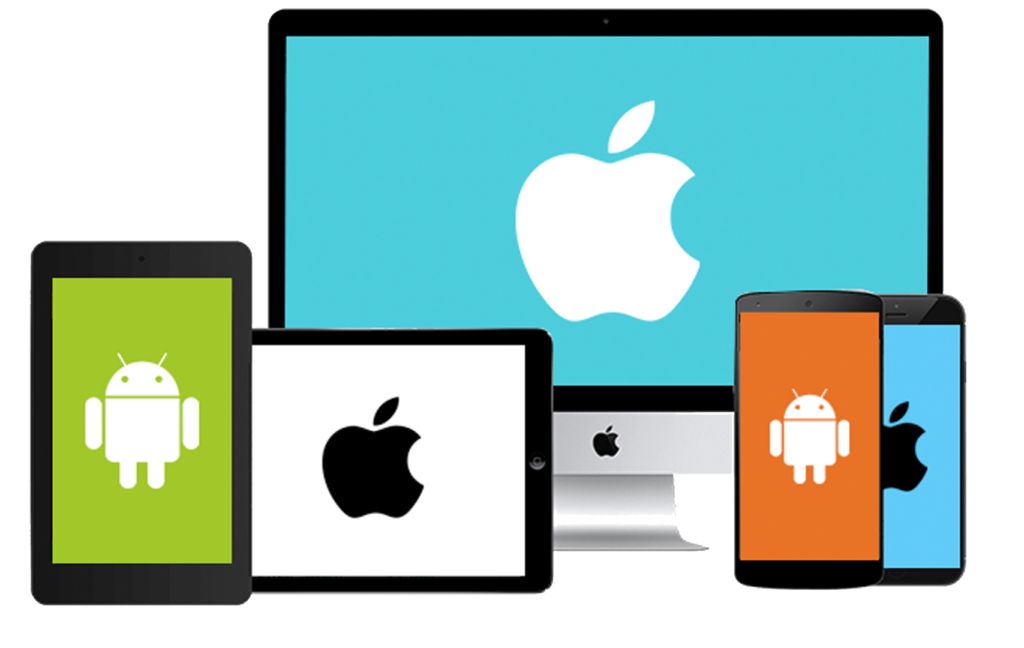
ensured responsive design across iOS, Android, and tablets, delivering full feature parity with desktop.

Design System

produced a design system and manual so future designers and developers could maintain brand and UX consistency.

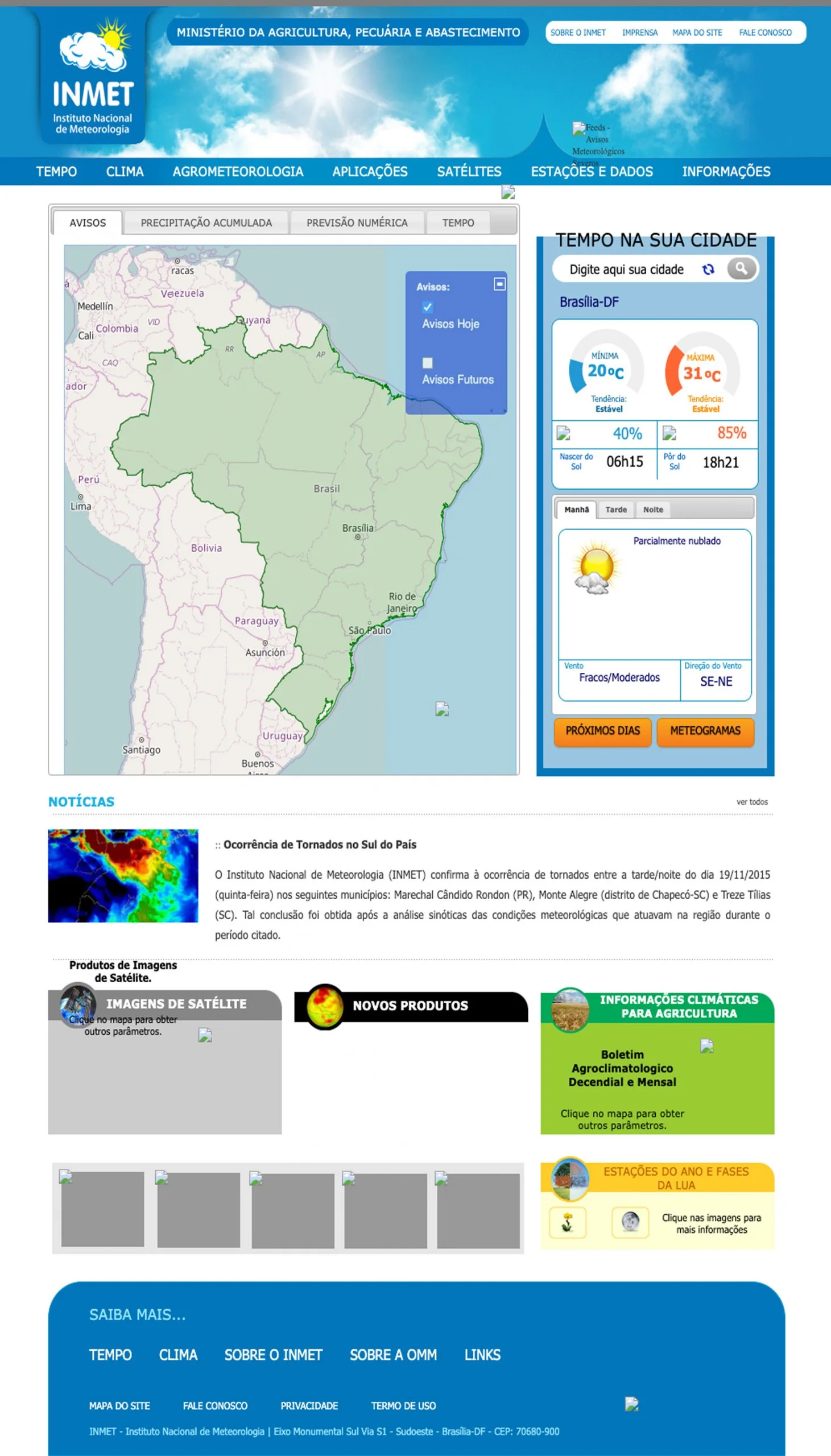
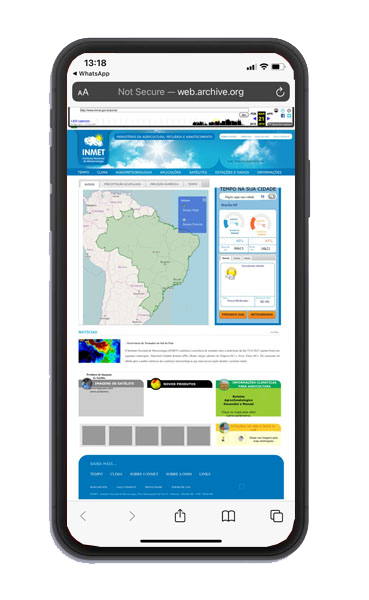
SISDAGRO Before

Old INMET Portal Preview

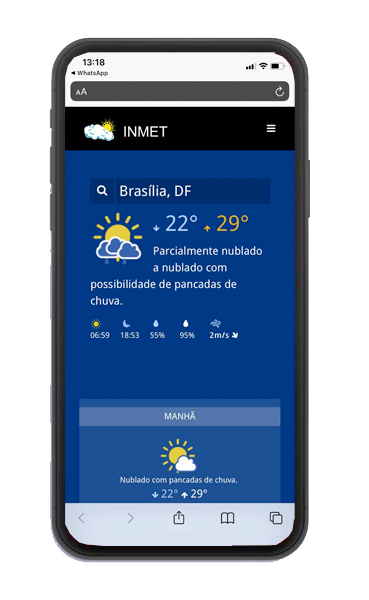
SISDAGRO After

New INMET Portal Preview

User Impact

41.9%

Reduced bounce rate

95%

Accessibility compliance

5.3k

Map generation clicks

4x

Increase in overall traffic after redesign

62%

Users accessing via mobile devices

Before After

Operational Impact

Unified design language

Reduced engineering ambiguity

Cross-team alignment

Accessibility compliance

Fewer design debates

Tests

Cross browser

Internet Explorer, Firefox, Chrome, Safari, Opera

Cross platform

Windows, IOS, Linux

Usability

Lab tests

Learned Lessons

Collaboration Matters – Partnering closely with Drupal specialists and the Director of Technology was essential to earning trust and driving approvals.

The Power of Numbers – Analytics and competitor benchmarks helped shift subjective debates into data-informed decisions.

Hi-Fi Prototypes Win – Non-design stakeholders couldn’t visualize wireframes, but interactive high-fidelity demos made the vision tangible and saved costly development iterations.

Design Maturity – I learned that clarity, usability, and sustainability often matter more than visual perfection. A solution that’s simple and effective has far greater long-term impact than one that only looks cutting-edge.

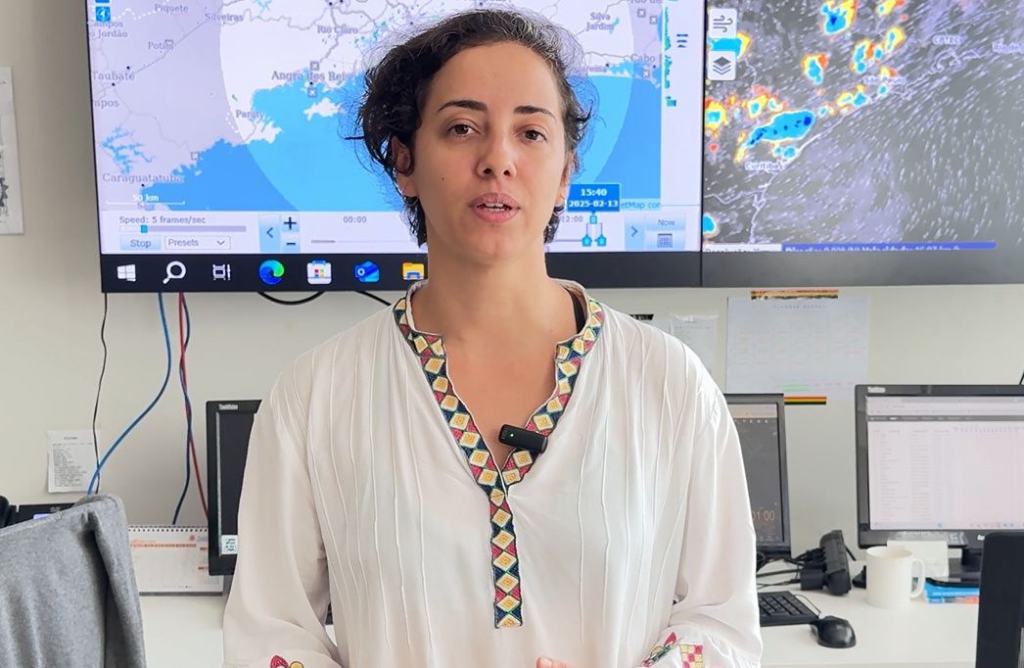
At the supercomputer facility of
Brazil’s Meteorological Institute (INMET).

Microsoft’s mission to empower people and organizations resonates with my focus on building scalable systems that reduce complexity, ensure consistency, and support confident decision-making — especially as interfaces become more dynamic and AI-driven.

Thank you for your time! Let’s stay in touch.